A Caretaker's Guide to Choosing Top-Tier Dementia Care Communities
Business Name: BeeHive Homes of Levelland
Address: 140 County Rd, Levelland, TX 79336
Phone: (806) 452-5883
BeeHive Homes of Levelland
Beehive Homes of Levelland assisted living care is ideal for those who value their independence but require help with some of the activities of daily living. Residents enjoy 24-hour support, private bedrooms with baths, medication monitoring, home-cooked meals, housekeeping and laundry services, social activities and outings, and daily physical and mental exercise opportunities. Beehive Homes memory care services accommodates the growing number of seniors affected by memory loss and dementia. Beehive Homes offers respite (short-term) care for your loved one should the need arise. Whether help is needed after a surgery or illness, for vacation coverage, or just a break from the routine, respite care provides you peace of mind for any length of stay.
140 County Rd, Levelland, TX 79336
Business Hours
Families frequently reach the decision to seek dementia care after a string of sleep deprived nights, repeated falls, medication mix-ups, or one close call that shakes everybody awake. I have walked families through this choice in medical facility conference rooms, at cooking area tables, and on curbs outside tour visits when emotions ran high. A good community does more than keep a loved one safe. It maintains personhood, supports the family's endurance, and adapts as requirements progress. The obstacle is discriminating between polished marketing and the daily reality behind the front door.
This guide distills what matters most when evaluating dementia care, also called memory care, and how to discriminate in between communities that talk a good video game and those that deliver stable, humane care. Anticipate useful information, questions to ask, cautioning indications, and the trade-offs that real households navigate.
What "dementia care" suggests in practice
Dementia is not one medical diagnosis. Alzheimer's disease represent roughly 60 to 70 percent of cases, however vascular, Lewy body, frontotemporal, Parkinson's-related, and combined dementias behave in a different way. A neighborhood that really focuses on dementia care comprehends these distinctions and changes care plans accordingly.
In practice, that looks like this: Personnel who understand that somebody with Lewy body dementia may have visual hallucinations and unforeseeable alertness, that an individual with frontotemporal dementia might be younger with language or behavior modifications however undamaged memory, which vascular dementia frequently advances stepwise. Activities shift with the terrain of each condition. Medication strategies show sensitivity to antipsychotics in Lewy body disease. Interaction methods change when language centers are struck. Ask neighborhoods to explain how they adjust for various dementias. The specificity of their examples is telling.
Memory care, as a service line within senior care, normally suggests a protected environment staffed and programmed for cognitive disability. It is various from standard assisted living, which may offer cueing and suggestions, but not the structure and security functions required for mid to later phases. Some continuing care retirement home house memory care within a broader campus, which can be ideal for couples with different care needs. Respite care is short-term support within these settings, frequently for a week to a month, and can function as a test drive.
The 3 things that determine life: people, process, and place
Families frequently focus on décor, and it is easy to understand. Fresh paint and a bistro look assuring. In the very first 90 days, though, the quality of people, process, and place will shape your loved one's days more than any chandelier.
People means the group at the bedside. It includes direct care personnel, nurses, activity directors, dining personnel, housekeeping, and leadership. Process means how the neighborhood delivers care: evaluations, care planning, training, communication, reaction to habits, and escalation when health modifications. Location suggests the built environment: design, lighting, noise, outside access, and safety design that decreases danger without making citizens feel infantilized.
In a well-run community, these 3 reinforce one another. A beautifully developed space without constant staffing will frustrate residents. Warm caregivers without clear processes will be reactive. Tight procedures can not get rid of a complicated floor plan that sparks exits or agitation.
Staffing: ratios, stability, and skill
Families inquire about staff ratios, and neighborhoods typically provide a state minimum or a rosy daytime number. The truth is more nuanced. Strong programs personnel more greatly throughout peak hours and expect patterns. Look beyond the headline ratio and ask for the distribution by shift and place. A significant day-to-evening ratio in many communities is somewhere around one care partner for 5 to 7 residents during the day, tightening to one for 6 to eight at night. Overnight assistance frequently extends thinner, often one to ten or more, which can work if citizens sleep and if mobile action is quick. Numbers differ by state guidelines and acuity.
Long tenure matters more than any fixed ratio. If half the caretakers have existed under 6 months, anticipate irregular regimens and less familiarity with homeowners' hints. I keep a basic metric: ask 3 various caregivers, not supervisors, for how long they have worked there and what keeps them. Their answers reveal the culture. Likewise demand the annual turnover percentage for direct care staff and nurses. A figure under 35 percent is strong in this sector. If turnover tracks greatly higher, press for causes and remedies.
Skill originates from training and coaching, not simply orientation modules. Evidence-based techniques like the Favorable Approach to Care, habilitation therapy, and music or motion therapies ought to show up in daily practice, not just wall posters. Ask who trains brand-new hires, the number of hours go to dementia-specific skills beyond basic orientation, and how typically refreshers take place. Month-to-month or a minimum of quarterly reinforcement, including scenario-based drills for behaviors and de-escalation, signals commitment.
Clinical abilities and how they escalate care
Medical needs do not stop briefly for memory loss. Communities differ widely in their capacity to handle typical scenarios: urinary system infections that provide as unexpected confusion, dehydration, diabetic fluctuations, heart failure, and discomfort that looks like agitation. Facilities with part-time or full-time nurses on website are better placed to capture early decrease. In some states, memory care runs with minimal nursing hours, depending on licensure. Validate hours, on-call structures, and who can examine and act upon modifications in condition.
Medication management is worthy of a mindful look. Evaluation how medications are stored, who dispenses them, and what paperwork system is used. Electronic medication administration records lower errors if utilized consistently. Ask how the team manages missed out on doses or a resident who refuses medications. Mild re-approach and timing changes are much better than immediate chemical restraints.
Behavioral health support separates great from fantastic. A community that has relationships with geriatric psychiatrists or advanced practice service providers who can seek advice from on-site or through telehealth avoids a great deal of unnecessary emergency clinic trips. Equally, a neighborhood that leans too rapidly on antipsychotics without nonpharmacologic interventions dangers sedation and falls. What you wish to hear: stepwise strategies that start with triggers, sensory comfort, and routine, then thoughtful medication trials when needed, with close tracking and clear stop requirements if advantages do not outweigh risks.
Environment that supports orientation and dignity
Many memory care systems are secured, however safe and secure should not mean suppressing. I try to find smaller family clusters, ideally 12 to 18 locals per area, connected to safe outside spaces. Nature soothes, and regular daytime direct exposure helps with sleep-wake cycles. Passages that loop back on themselves decrease dead ends and lower frustration. Bathrooms noticeable from the bed reduce incontinence. Visual hints like memory boxes outside spaces and contrasting colors for floorings and handrails aid orientation.
Noise levels deserve attention. Overhead paging, clattering carts, and blaring tvs raise agitation. Visit during mealtime, when the acoustic profile is real. Lighting ought to prevent glare and harsh transitions. Change patterned carpets that can look like holes to people with depth perception modifications. I as soon as saw a resident's falls drop simply because a community swapped a dark limit strip for a lighter one.
Safety functions should be woven into the style so they do not feel punitive. Doorways can be camouflaged with murals, or exits can lead first to a secured garden rather than a street. Roam management systems that utilize discreet wearables are much better accepted than loud alarms. The best communities build in purposeful wayfinding so citizens can walk without feeling trapped.
Routines, meaningful engagement, and the ideal sort of activity
Activities are not filler in between meals. They are therapy when done well. Look for programs that follow the rhythm of the day and match cognitive and physical capabilities. Morning frequently matches motion, light workout, or walking groups to set tone and hunger. Late morning can hold little group work like baking, folding, or music that connects to long-term memory. Afternoons can be quieter: tactile stations, individually visits, hand massages, or spiritual care. Evenings ought to stress winding down to avoid sundowning spikes.
Numbers alone do not tell the story. A calendar packed with 10 activities a day may just be copy and paste. View a session. Are homeowners engaged, not just parked in a circle? Do personnel change when someone is distressed or bored? Is language adult and considerate? A preferred moment of mine can be found in a kitchen group where locals ready strawberries for shortcake. One gentleman who hardly ever signed up with anything sliced with deep focus, then narrated about picking berries with his grandmother. The activity director had actually picked something with strong sensory cues, built in success, and left room for memory.
Nutrition and dining that preserves choice
With dementia, cravings is vulnerable to change. Familiarity, color contrast on plates, and finger foods can assist. Excellent dining programs prepare for smaller sized, more frequent meals when required. They adjust textures for safe swallowing without removing enjoyment. Household style, where possible, enhances consumption and social engagement. If you tour, ask to sample a meal. Taste it. Watch how personnel cue and support without rushing. Take a look at hydration practices throughout the day, not simply at meals. A cart with flavored waters, soups, and teas moving two times daily can lower urinary infections and hospitalizations.
Weight trends are objective. Ask how the community tracks and responds to weight-loss. A sensible expectation is regular monthly weights, with an alert limit like 5 percent loss in one month or ten percent in six months triggering a plan that is recorded and shared with you.
Cost, agreements, and what occurs as requirements rise
Financial openness sets expectations and prevents heartbreak. Prices frequently appears in two types. Some neighborhoods utilize tiered care levels, where base rent covers real estate and facilities, and care is priced in bands based on an evaluation. Others utilize a point system with detailed services. Either way, ask how often reassessments take place, who activates them, and just how much notification you get before a charge increase. Preliminary quotes that look low can rise steeply by month three if the assessment was positive or if the relocation unmasked needs that family had been covering at home.
Medication management, incontinence materials, one-to-one assistance during habits, and transport to consultations often bring additional charges. Nail care may be limited by guidelines for diabetics and routed to a podiatric doctor with separate charges. Ask to see a sample month-to-month invoice with all common add-ons so you can model finest and most likely scenarios.
Also understand the move-out criteria. Some memory care settings can not handle two-person transfers, feeding tubes, or complex wound care. Others can with hospice support. A community that sets out clear boundaries and a plan for end-of-life care helps you prevent late-stage dislocation. There is no shame in limitations. The problem is surprise. If your loved one has a progressive condition with known issues, such as Lewy body dementia with parkinsonism, ask how the team adapts when walking decreases or swallowing weakens.
Licensing, quality signals, and what regulators do not show
Licensing requirements vary by state, and memory care might be a special designation within assisted living or a different license. Pull the most recent state survey reports. Do not be alarmed by any citation. Take a look at patterns and action time. Repetitive medication errors, warm water temperature level violations, elopements, or infection control failures should have examination. Ask the administrator to stroll you through restorative actions taken. The clearness and humility of that conversation will tell you whether you are hearing a script or a leader who owns the work.
Quality likewise shows in the mundane. Are products equipped or constantly short? Do gloves and wipes sit within reach in resident spaces, or do staff have to hunt? Are care plans noticeable to those who need them, with current preferences kept in mind, or are they concealed in binders no one opens? Does the team utilize a day-to-day huddle to expect who requires extra assistance based upon last night's notes?
Family councils are another barometer. A working council that satisfies routinely, shares minutes, and has management present however not dominating the program associates with more responsive programs. If there is no council, ask if the community will help form one.
Using respite care and trial remains to your advantage
Respite care, a short-term furnished stay, is not simply a break for family. It is a vital roadway test. A one to 4 week respite in a memory care setting can reveal how your loved one reacts to routines, dining, and the environment. Take note of sleep throughout respite, not simply daytime smiles. If nights improve, you have a win that predicts sustainability for caregivers. If distress spikes in spite of competent assistance, you have valuable info to adjust the plan or consider alternative settings.
Coordinate respite throughout a reasonably stable duration instead of in the instant consequences of a hospitalization. Bring familiar clothes, bed linen, and a couple of meaningful things. Offer a brief biography, consisting of work history, relative, pastimes, likes and dislikes, and any non-negotiables that bring comfort or trigger distress. A one-page profile with a photo can alter how the team greets and engages your loved one on day one.
Questions that arrange marketing from mastery
Use pointed, respectful concerns. Request stories, not slogans. Knowledgeable teams will answer with specifics rather than drift to generic reassurances.
- Tell me about a recent resident who got here with regular agitation. What non-drug methods did you try first, what worked, and how did you know?
- How do you support citizens with Lewy body dementia who have upsetting hallucinations without extremely sedating them?
- What is your day, night, and overnight staffing on this unit, by role, and where do those personnel physically spend their time?
- When did you last conduct a complete evacuation or fire drill on this flooring, and what did you discover and change as a result?
- How do you include family in care planning, and what is your procedure for communicating changes in condition or fees?
Red flags that signal future trouble
No community is ideal, however repeating patterns anticipate risk. A few stand out in practice.
- You tour at 3 p.m. And see residents dropped in wheelchairs facing a television, with one activity published on the calendar that is not happening.
- The nurse can not access the electronic medication record throughout your visit or delays every scientific question to a supervisor who is off-site.
- Doors are greatly alarmed without alternative safe exits or outside area, and staff discourage walking because it is "hazardous," even for consistent walkers.
- Leadership prevents giving specific turnover data or explains away citations without explaining corrective steps.
- Every concern about behavior refers initially to "as needed" medications, with couple of examples of sensory, routine, or environmental adjustments.
Planning the visit: what to observe on-site
Arrive 10 minutes early and wait in the lobby to view interactions. Linger in hallways. Enter the dining room during a meal and ask to see a private room and a shared room, even if you prepare to pay for personal. Smell matters. Occasional smells take place. A relentless odor suggests staffing or procedure spaces. Look for charts or discreet signs that suggest individualized methods, such as a picture schedule, a soft item for soothing, or chosen music playlists at the bedside. Inspect whether call lights ring for minutes without reaction or whether personnel respond quickly and calmly.
I carry a pocket test for management depth. If the executive director is off the flooring, does the nurse or med tech with confidence explain an incident report procedure? If the activity director is out ill, does somebody action in with a modified prepare for the afternoon instead of canceling everything?
How to match community type to your situation
Couples where one partner requires memory care and the other stays independent gain from schools with numerous levels of senior care. Daily proximity lowers guilt and maintains rituals like breakfast together, even if living spaces differ. Solo older adults with intricate medical conditions might do better in smaller, medically focused memory care units with strong nurse presence, especially if health center readmissions have been regular. Younger-onset dementia, frequently under age 65, can be a bad fit in extremely peaceful, frail populations. Search for programs that flex engagement to higher energy and consist of physical outlets.
Costs tie to both amenities and scientific ability. A modest setting with excellent processes might outshine a high-end building with thin staffing. Spend for the group, not the chandelier. Families in some cases begin in assisted living with add-on support to extend dollars. This can operate in early stage, especially with strong household participation. Reassess when roaming emerges, when exits or financial resources strain, or when unsettled caregiving reaches a breaking point. The point is not to claim a mythical ideal time however to time the transfer to minimize crisis and make the most of adaptation.
Partnering with hospice and palliative care without giving up
When dementia reaches innovative phases, hospice and palliative care deal layers of assistance that sit beside memory care rather than replace it. Hospice includes a nurse, home health aide, social worker, and pastor who visit routinely. They focus on convenience, symptom control, and caretaker support. Families often fear that hospice activates loss of existing services, but in lots of memory care settings hospice merely augments what is there. Staff frequently invite the additional scientific eyes.
An excellent memory care group will raise hospice or palliative options when markers like persistent infections, weight-loss, or deepening immobility appear. If the group never ever raises these subjects, you can. Comfort and self-respect do not indicate giving up. They elderly care mean shifting objectives to what matters most at that stage.
Cultural fit and interaction style
Technical competence is required, however culture shapes every interaction. Does the language on the floor treat adults as adults, even in innovative dementia? Are labels and terms of endearment utilized with authorization, not as a default? Are households treated as partners or as insects? When dispute occurs, due to the fact that it will, does the neighborhood invite conversation and repair work or set rigid limits? I measure culture by how staff speak about residents when they think nobody is listening. Delight and perseverance carry in tone.
Ask how the team communicates daily. Some communities use protected apps for updates and images. Others depend on weekly emails or regular monthly care conferences. The medium is lesser than consistency and responsiveness. Clarify how urgent issues are managed after hours. If you live far, negotiate how typically you get structured updates and from whom.
Practical list for the automobile ride home
After you tour two or three neighborhoods, emotions and information blur. The following short list assists organize impressions while they are fresh.
- Did staff utilize the resident's name and treat them like an adult throughout interactions you observed, including care tasks?
- How did the dining-room feel at peak time, and would you be content consuming there 3 times a day?
- Could the community with complete confidence discuss various dementias and describe specific adaptations for your loved one's profile?
- What did you learn more about turnover, training frequency, and overnight protection that was concrete instead of generic?
- If expenses rose by the typical varieties for added care in your state, would the community still be sustainable for at least 18 to 24 months?
A short story about getting it right
Years back, I dealt with two sis looking after their mother, a retired curator with mixed Alzheimer's and vascular illness. She liked birds, hated loud TVs, and ended up being anxious around unfamiliar men. The first community they visited was gleaming, with a barista and marble lobby. On the system, the tv ran continuously, and staff count on music through speakers. She lasted 3 weeks, sleeping improperly and picking at meals.
They moved her to a quieter memory care with a courtyard garden and bird feeders visible from the majority of rooms. The activity director kept a small box of notecards and a stamp since the mother used to compose letters throughout peaceful times. They swapped tape-recorded music for a volunteer who played mild guitar in the afternoons. The nurse changed night meds from 8 p.m. To 6 p.m. Since the mother's sundowning started early. Absolutely nothing flashy, simply attunement. She remained there 2 years, got 4 pounds, and died on hospice with both children at her bedside, holding hands and telling stories about the library's annual prohibited books week. The difference was not budget, it was fit and follow-through.
Final thoughts for stable decision-making
You are not just buying a room. You are hiring a group to stroll next to your family through an illness that takes and takes. Choose individuals and processes that will hold stable when you are tired, when your loved one is scared, and when health turns. Usage respite care as a proving ground. Visit at hard hours, not simply tour time. Request specifics, then confirm them with your eyes and ears. Make area for sorrow and relief, since both will arrive.
Most of all, bear in mind that excellent dementia care is possible. I have seen homeowners who had actually stopped eating start to delight in meals once again when somebody sat and sang an old hymn. I have viewed a former mechanic relax when handed a simple toolkit and invited to help fix a loose cabinet knob. The ideal memory care neighborhood does not erase loss, but it builds a daily life where the individual you like can still be known.
BeeHive Homes of Levelland provides assisted living care
BeeHive Homes of Levelland provides memory care services
BeeHive Homes of Levelland provides respite care services
BeeHive Homes of Levelland supports assistance with bathing and grooming
BeeHive Homes of Levelland offers private bedrooms with private bathrooms
BeeHive Homes of Levelland provides medication monitoring and documentation
BeeHive Homes of Levelland serves dietitian-approved meals
BeeHive Homes of Levelland provides housekeeping services
BeeHive Homes of Levelland provides laundry services
BeeHive Homes of Levelland offers community dining and social engagement activities
BeeHive Homes of Levelland features life enrichment activities
BeeHive Homes of Levelland supports personal care assistance during meals and daily routines
BeeHive Homes of Levelland promotes frequent physical and mental exercise opportunities
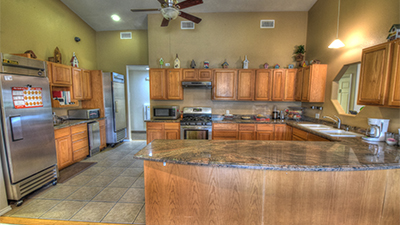
BeeHive Homes of Levelland provides a home-like residential environment
BeeHive Homes of Levelland creates customized care plans as residents’ needs change
BeeHive Homes of Levelland assesses individual resident care needs
BeeHive Homes of Levelland accepts private pay and long-term care insurance
BeeHive Homes of Levelland assists qualified veterans with Aid and Attendance benefits
BeeHive Homes of Levelland encourages meaningful resident-to-staff relationships
BeeHive Homes of Levelland delivers compassionate, attentive senior care focused on dignity and comfort
BeeHive Homes of Levelland has a phone number of (806) 452-5883
BeeHive Homes of Levelland has an address of 140 County Rd, Levelland, TX 79336
BeeHive Homes of Levelland has a website https://beehivehomes.com/locations/levelland/
BeeHive Homes of Levelland has Google Maps listing https://maps.app.goo.gl/G3GxEhBqW7U84tqe6
BeeHive Homes of Levelland Assisted Living has Facebook page https://www.facebook.com/beehivelevelland
BeeHive Homes of Levelland Assisted Living has YouTube page https://www.youtube.com/@WelcomeHomeBeeHiveHomes
BeeHive Homes of Levelland won Top Assisted Living Homes 2025
BeeHive Homes of Levelland earned Best Customer Service Award 2024
BeeHive Homes of Levelland placed 1st for Senior Living Communities 2025
People Also Ask about BeeHive Homes of Levelland
What is BeeHive Homes of Levelland Living monthly room rate?
The rate depends on the level of care that is needed. We do an initial evaluation for each potential resident to determine the level of care needed. The monthly rate is based on this evaluation. There are no hidden costs or fees
Can residents stay in BeeHive Homes until the end of their life?
Usually yes. There are exceptions, such as when there are safety issues with the resident, or they need 24 hour skilled nursing services
Do we have a nurse on staff?
No, but each BeeHive Home has a consulting Nurse available 24 – 7. if nursing services are needed, a doctor can order home health to come into the home
What are BeeHive Homes’ visiting hours?
Visiting hours are adjusted to accommodate the families and the resident’s needs… just not too early or too late
Do we have couple’s rooms available?
Yes, each home has rooms designed to accommodate couples. Please ask about the availability of these rooms
Where is BeeHive Homes of Levelland located?
BeeHive Homes of Levelland is conveniently located at 140 County Rd, Levelland, TX 79336. You can easily find directions on Google Maps or call at (806) 452-5883 Monday through Sunday 9:00am to 5:00pm
How can I contact BeeHive Homes of Levelland?
You can contact BeeHive Homes of Levelland by phone at: (806) 452-5883, visit their website at https://beehivehomes.com/locations/levelland/,or connect on social media via Facebook or YouTube
You might take a short drive to the Levelland City Park.Levelland City Park provides shaded areas and benches that enhance assisted living, senior care, elderly care, and respite care outdoor activities.